
Games aren’t played at one speed.
Team sports like basketball, football and soccer ask athletes to sprint, stop, cut, accelerate, react and change direction throughout a game. They also require enough endurance to recover and produce those efforts again.
Conditioning helps athletes handle that repeated work. Interval runs, shuttle runs and agility drills all play a part, alongside other sessions built around endurance, speed and movement, but for a team-sport athlete none of it is training for its own sake. It exists to help athletes repeat hard efforts, recover quickly, and keep moving well as fatigue sets in.
Why do team sport athletes need conditioning runs?
Conditioning runs give athletes the ability to build the cardiovascular needed to support repeated sprints, cuts and changes of direction.
The exact demands vary by sport and position, including how much continuous movement, sprinting, cutting and recovery an athlete encounters. Conditioning can reflect those demands through a mix of running, intervals and agility-based sessions that prepare the body to accelerate, react, cut and move with control as fatigue builds.
Running sessions can also give coaches and athletes a controlled way to adjust duration, pace and recovery based on where they are in the training cycle.


What conditioning workouts get you game-ready?
There is no single conditioning workout that fits every athlete or every sport. Training may include steady running, intervals, tempo work, shuttle runs and agility drills depending on the athlete, position and point in the season.
Each format stresses the body differently. Longer efforts can build an aerobic base. Faster intervals challenge an athlete to repeat higher-intensity work with planned recovery. Shuttle runs and agility drills add stopping, starting and changes of direction.
A useful conditioning program brings those pieces together around the demands of the sport.
How can interval training help athletes prepare for game day?
Intervals can vary in length, speed and recovery periods. Shorter, faster repeats may emphasize speed and repeat effort. Longer intervals can place more demand on endurance.
For team-sport athletes, that structure can be useful because games rarely require one uninterrupted effort at the same pace. Athletes accelerate, recover and then have to produce another quality effort.
The right structure depends on the athlete's sport, training goals and overall workload.
What should athletes look for in a conditioning shoe?
A conditioning shoe has to handle more than one type of movement.
Running may be part of the session, but athletes may also be working through shuttle runs, speed drills, lateral movement and gym-based training. That makes versatility important.
• Cushioning for running and repeated impact
• Stability for lateral and linear movement
• A secure feel when accelerating and changing direction
• Enough versatility to move between different parts of a conditioning session
• Comfort that holds up through repeated training
The best choice will depend on the type of conditioning you do most often and how you like a training shoe to feel.
How is the New Balance AC Runner built for conditioning work?
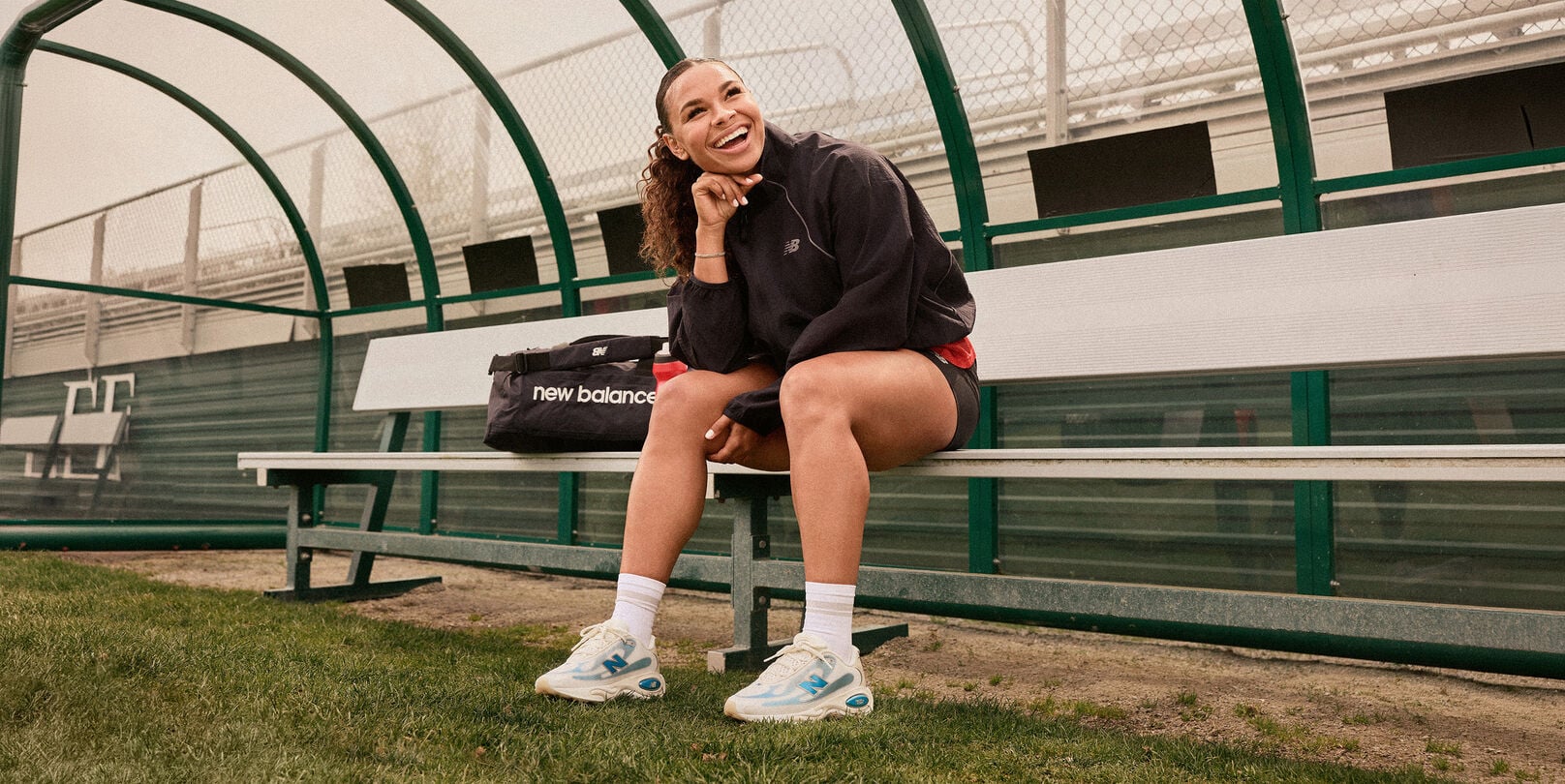
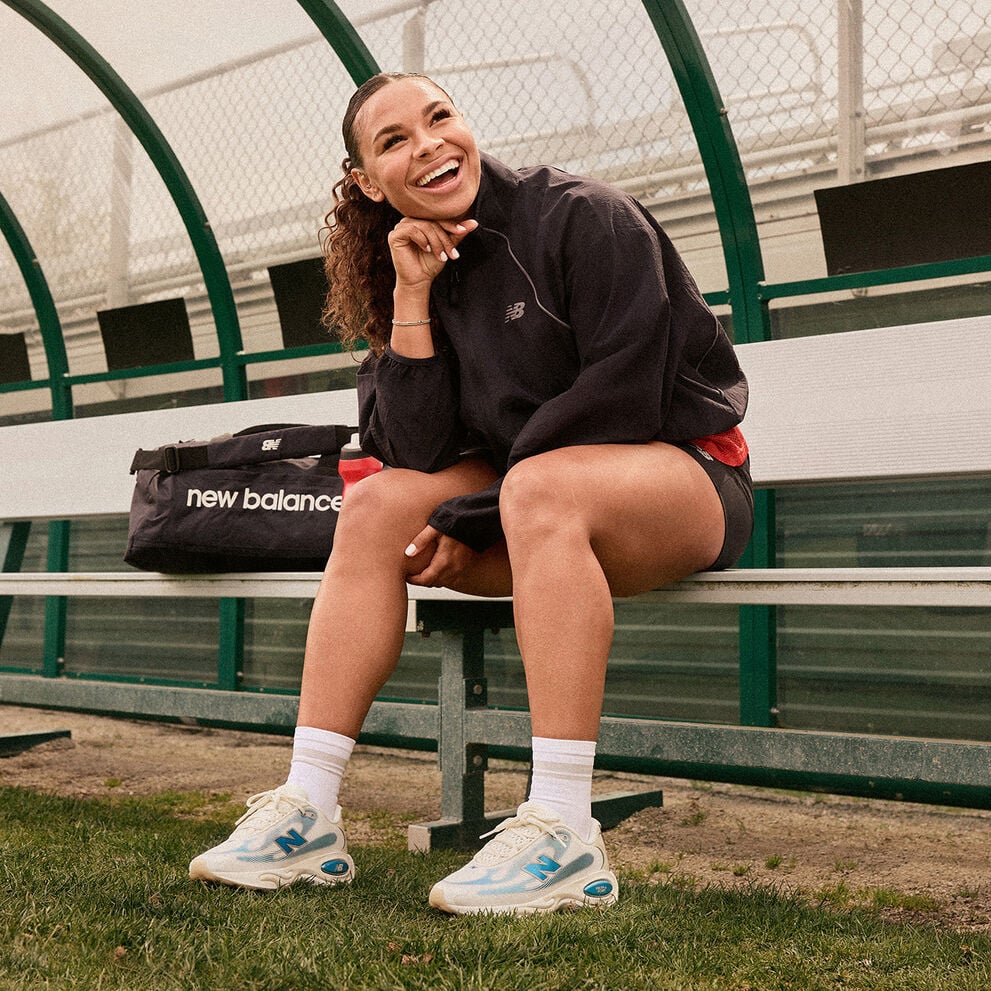
The New Balance AC Runner is designed for the conditioning work athletes use to prepare for competition, including conditioning runs, speed drills and training sessions. It is a versatile training shoe for athletes who run as part of their sport, with an emphasis on stability, cushioning and multi-directional movement.
Its Fresh Foam X midsole uses three levels of foam firmness to support different types of movement, and firm-durometer foam rails built into the midsole add stability for lateral and linear movement, so the cushioning that carries a runner through miles is also there for the changes in direction that show up in drills.
The AC Runner also features a mesh upper and sculpted midsole, creating a training shoe intended to move between running, drills and the rest of an athlete's conditioning routine.
How does Fresh Foam X cushioning support conditioning runs and drills?
Fresh Foam X cushioning is designed to provide underfoot comfort while athletes move through different parts of a conditioning session.
Running creates repeated impact, while drills add short accelerations, decelerations and changes in direction, so the AC Runner uses multiple foam firmness levels to give different areas of the midsole different roles across that mix of running and training between games.
What role do stability rails play during lateral and linear movement?
The AC Runner uses firmer foam rails within the midsole to support stability as athletes move forward, laterally and through changes in direction, which is where conditioning sessions tend to get unpredictable, shifting quickly from running to cutting, shuffling or drilling.
The stability features work alongside the cushioning, giving the shoe a broader training role than a shoe designed only for straight-ahead running.
How does the AC Runner fit into a conditioning routine?
The New Balance AC Runner is designed for conditioning runs, speed drills, agility work and training sessions. Its Fresh Foam X midsole uses three levels of foam firmness, while firm-durometer rails provide stability for lateral and linear movement. A mesh upper and sculpted midsole round out the design.
That combination supports the varied work that can happen within a conditioning session. An athlete might begin with running, move into shuttle work or drills, then finish with additional training without changing shoes between every part of the session.
That versatility can be especially useful for athletes whose conditioning extends beyond straightforward running.
How should athletes structure conditioning into their training week?
Conditioning needs change throughout the year.
During the offseason, athletes may have more room to build endurance, speed and general fitness. As practices and competition increase, conditioning has to fit around the work already happening on the field or court.
The number and intensity of conditioning sessions will depend on the sport, position, competitive schedule and training plan. A coach or qualified training professional can help determine how much work makes sense within the larger program.
Done well, conditioning supports the athlete's overall training instead of competing with it.
Frequently asked questions
Why do basketball, football and soccer players need conditioning runs?
Conditioning runs can help build the endurance athletes need to recover between repeated high-intensity efforts. The exact running demands differ by sport and position, so conditioning should reflect the athlete's broader training plan.
What kind of conditioning workouts build game-ready endurance?
Team-sport conditioning may include interval running, shuttle runs, tempo work, steady running and agility drills. Different workouts challenge endurance, speed, recovery and movement in different ways.
How often should team sport athletes do conditioning runs?
Frequency isn't fixed: it depends on the sport, season, position, training load and individual athlete. Conditioning should fit around practices, strength work, recovery and competition, not compete with them.
Where do shuttle runs and agility drills fit into conditioning?
Shuttle runs and agility drills add acceleration, deceleration and changes of direction to conditioning work. Those movements are especially relevant for team sports such as basketball, football and soccer, and they can make stability and support important considerations when choosing a training shoe.
What shoes should I wear for conditioning workouts?
Look for a shoe that matches the type of work in the session. For conditioning that combines running with drills and changes of direction, cushioning, stability and versatility can all be useful considerations.
Can I use the AC Runner for gym training and everyday wear?
The AC Runner is designed as a versatile training shoe that can move from conditioning work into other parts of an athlete's day.
What stability features does the AC Runner have for lateral movement?
The AC Runner uses firm-durometer foam rails in the midsole to support lateral and linear movement during conditioning and training.
How much cushioning does the AC Runner provide?
The Fresh Foam X midsole uses three levels of foam firmness to support the mix of running, drills and other movements that can make up a conditioning session.
What conditioning runs work well for basketball players?
Because basketball is built on repeated bursts and stops rather than one steady pace, shorter interval runs and shuttle sprints tend to mirror the game more closely than long, steady-state mileage. Mixing both still has a place, since the steady work builds the aerobic base those bursts draw on.
How does cardio training improve soccer performance?
Soccer combines long stretches of continuous movement with sudden sprints, so cardio training builds the aerobic base that supports covering ground for a full match and recovering between high-intensity moments. Steady running and interval work both contribute, since each targets a different part of that demand.
What agility drills help football players add to their training?
Shuttle runs, cone drills and other change-of-direction work target the acceleration, deceleration and reaction skills football calls for, while conditioning runs build the endurance to repeat those efforts across a full practice or game.
What's the bottom line on conditioning for team sport athletes?
Running plays a different role for a team-sport athlete than it does for someone training only to run.
The work may include straight-ahead miles one day, intervals the next and shuttle runs or agility drills somewhere in between. Each session contributes to the fitness an athlete brings back to the court or field.
The New Balance AC Runner pairs Fresh Foam X cushioning with firm-durometer stability rails, built for the mix of running, cutting and gym work that a real conditioning session involves.
See the full specs and available colorways on the {AC Runner PDP link}
